
Taftoon NYC Cultural House
The Persian Journey
A living archive of hospitality, poetry, architecture, and belonging.
From the mountains of Iran to a table in Manhattan.
سفری از ایران تا نیویورک
A journey from Iran to New York
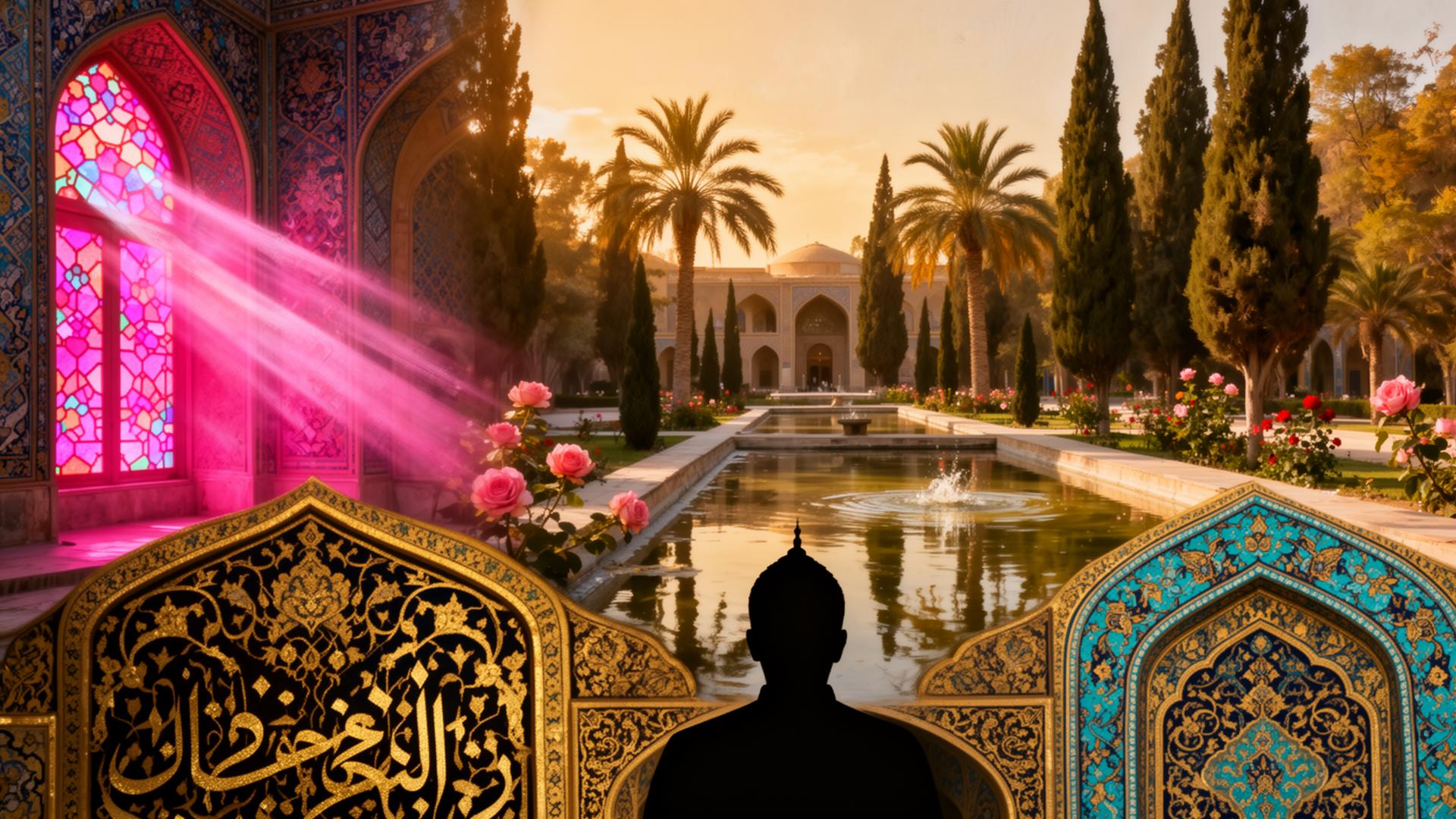
Welcome to Persia
The Persian
Journey
A journey through twenty-five hundred years of gardens, poetry, architecture and hospitality — the long, lit room of Persian culture, opened to you in Manhattan.
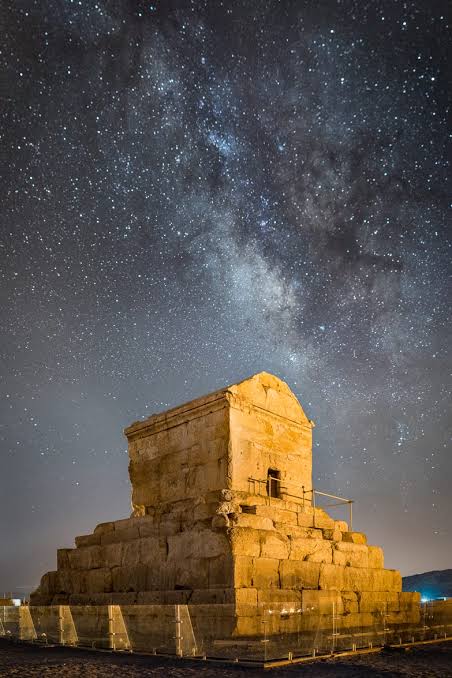
c. 559 BCE · Pasargadae · Fars
Cyrus
& Pasargadae.
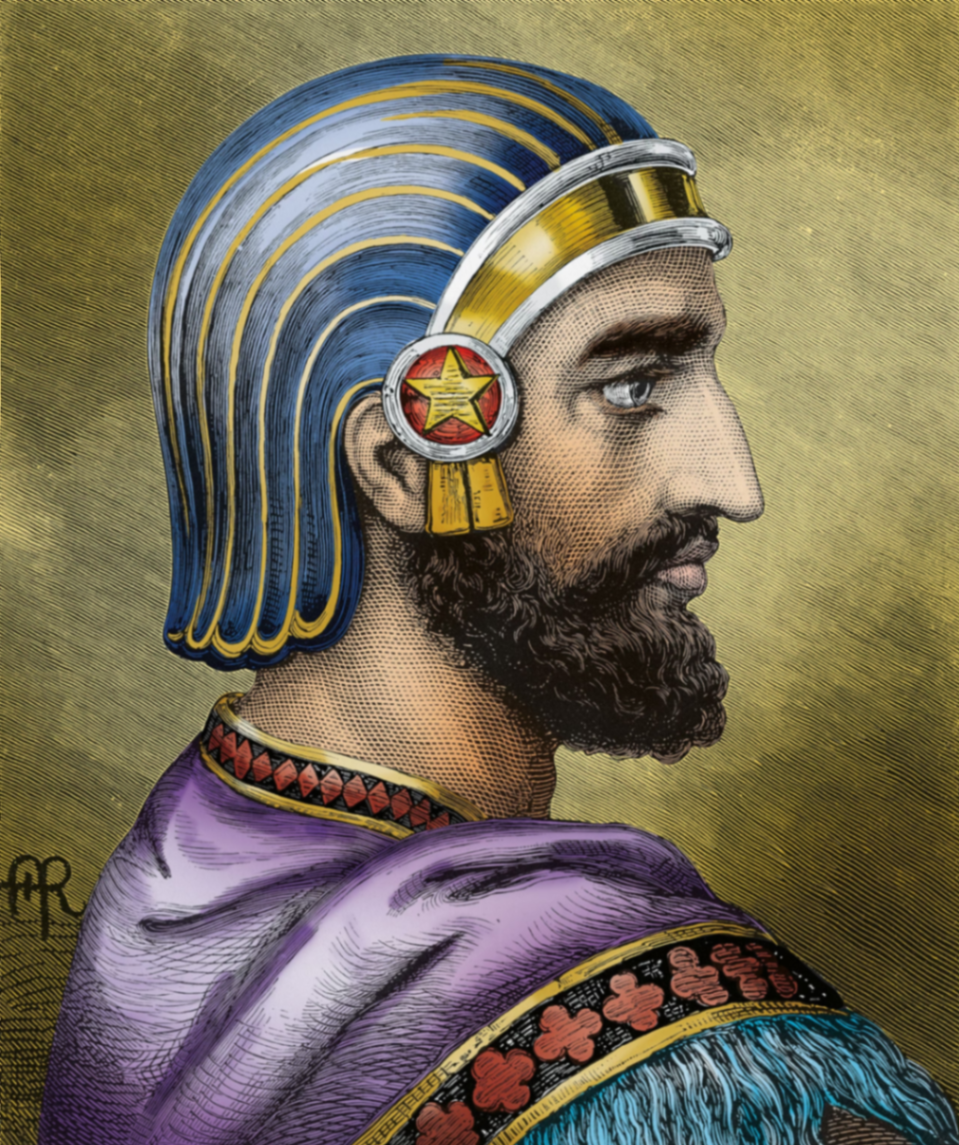
Kūruš · Cyrus the Great
r. c. 559–530 BCE
The beginning of a Persian idea.
Cyrus II, remembered as Cyrus the Great, founded the Achaemenid Empire in the sixth century BCE. At Pasargadae, the first dynastic capital of the empire, stone, garden, ceremony, and landscape were brought together in a new language of Persian rule.
His tomb still stands in the Morghab plain near the palaces and gardens of Pasargadae. Its restraint is part of its power: no spectacle, no excess, only permanence.
The Cyrus Cylinder is a Babylonian clay inscription made after Cyrus entered Babylon in 539 BCE. It records policies of restoration, including the return of certain displaced peoples and religious images.
Welcome
A guest should feel expected, not merely received.
Dignity
Every person at the table matters.
Craft
What lasts is made with care.
Belonging
Difference is not distance.
At Taftoon
Hospitality begins with the belief that a table is strongest when more people can belong to it.
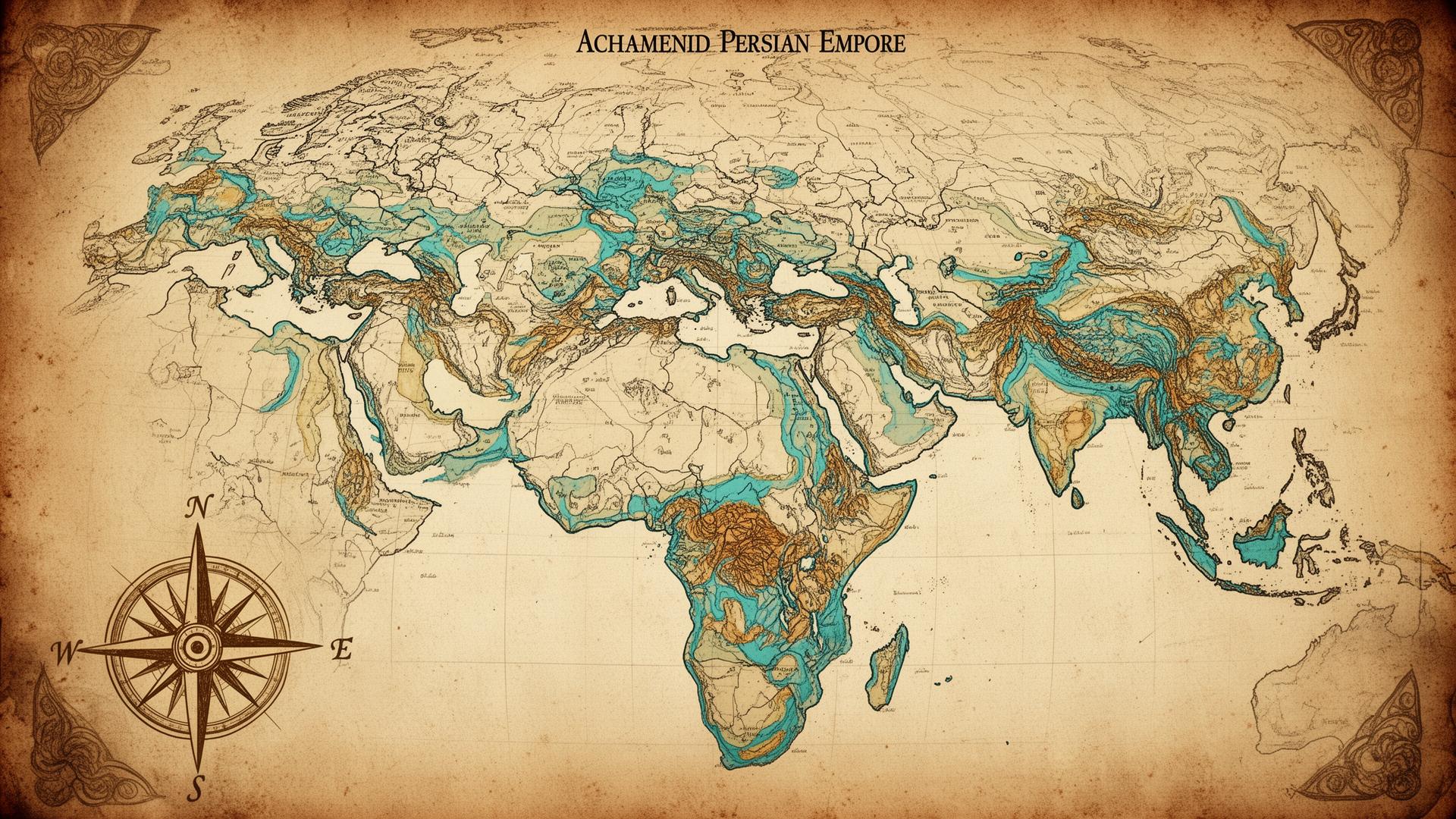
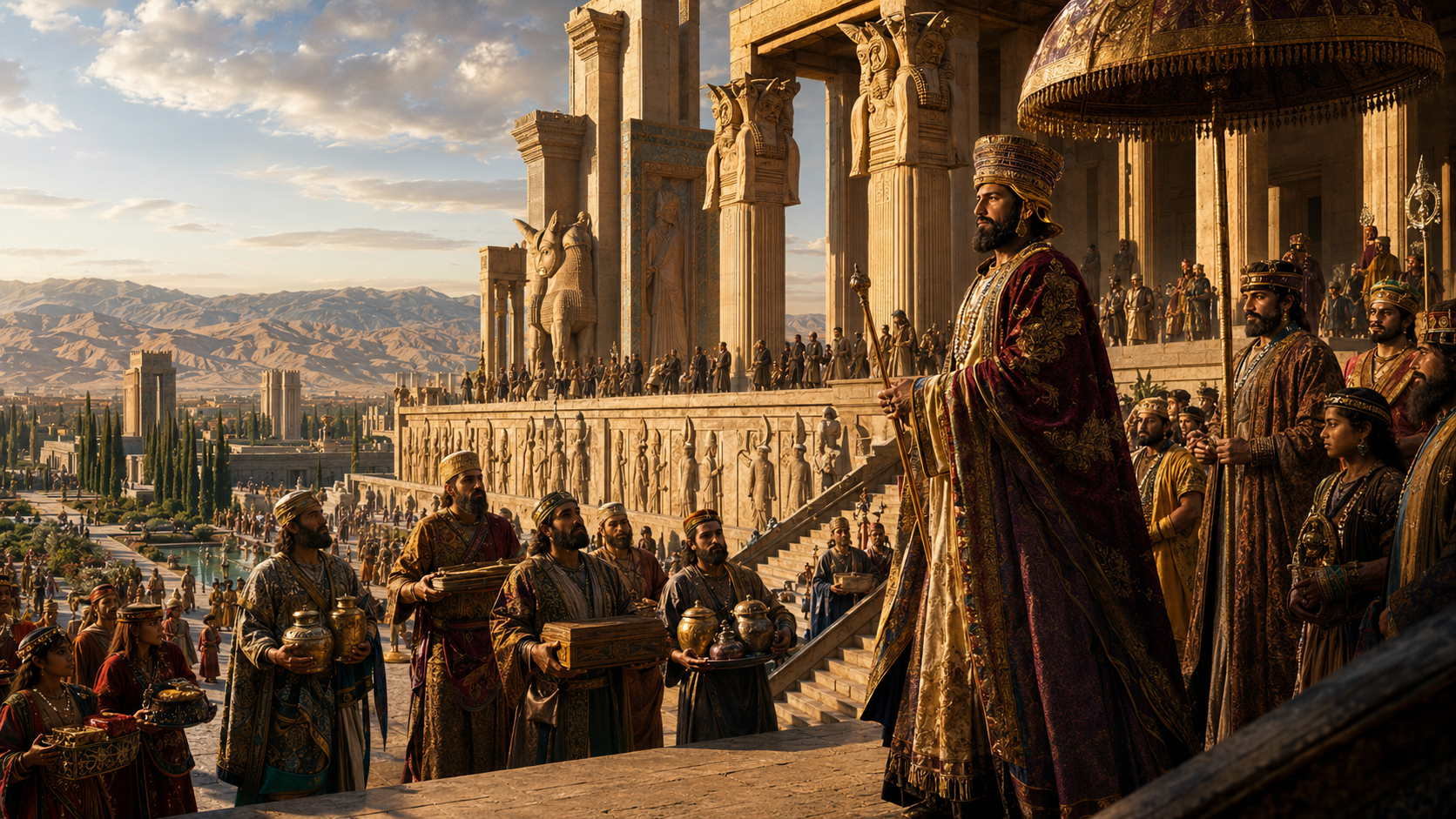
Darius I · r. 522–486 BCE · Susa & Persepolis
Dārayavahuš · Darius I
Artistic interpretation after the Bisotun & Apadana reliefs
Darius
& Persepolis.
A capital built not for war, but for arrival.
Founded by Darius I in 518 BCE, Persepolis was built as an extraordinary ceremonial capital of the Achaemenid Empire. It was not merely a palace. It was a place of arrival.
Delegations from across the empire approached its staircases carrying textiles, metals, animals, craft, and tribute. The reliefs do not show chaos. They show ceremony. They show a civilization imagining power through architecture, order, diplomacy, and gathering.
518 BCE
First stone laid
23
Nations at the gate
72
Apadana columns
1,600 mi
The Royal Road
Our dining room is not a monument. It is our modern Apadana: a place where people arrive carrying their own stories.
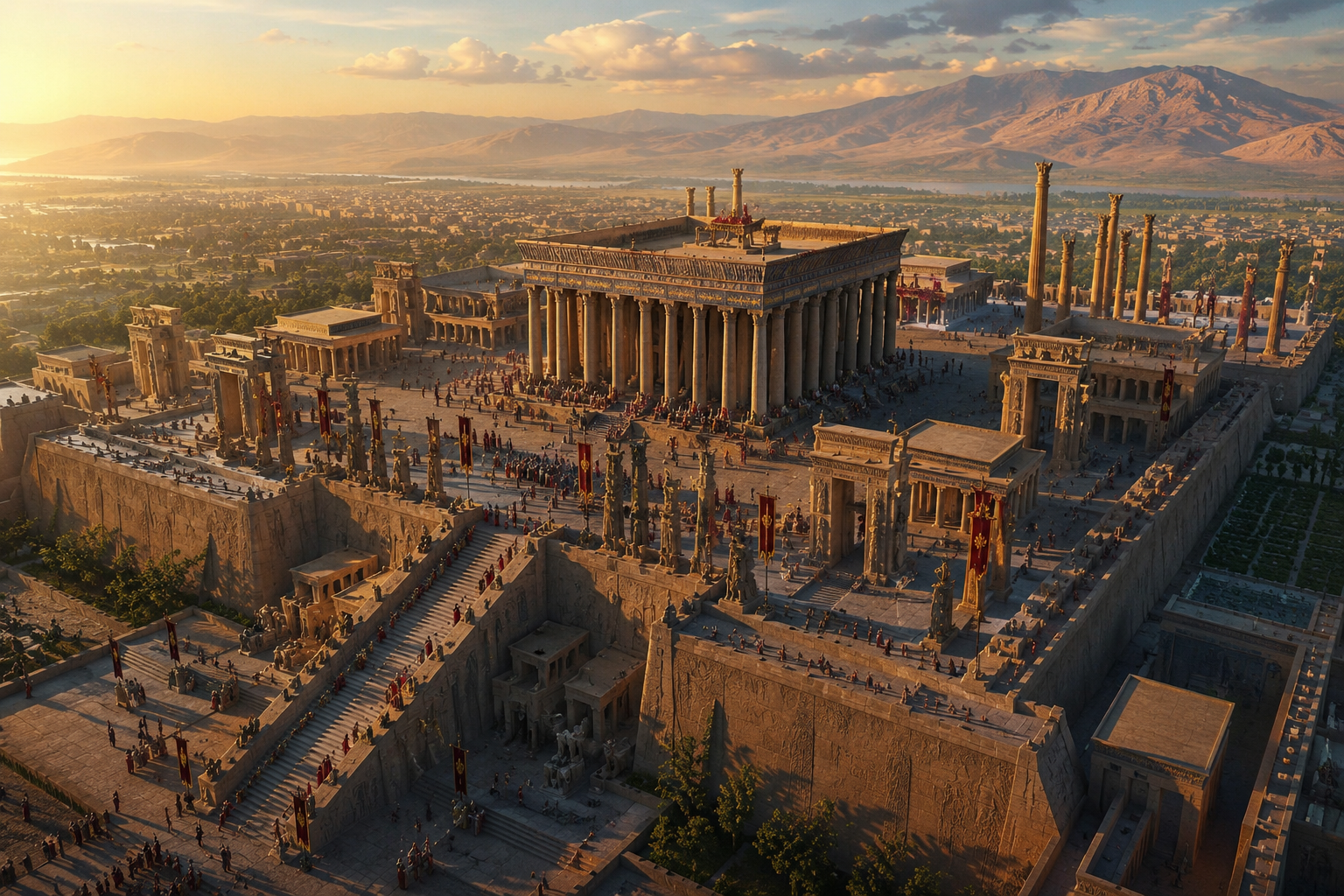
A city built
for arrival.
Imagine Persepolis at its height. Courtyards alive with conversation. Water moving through gardens. Craft traveling from one world to another. Guests arriving from distant lands. Stone becoming memory.
The grandeur of Persepolis was not only in what it built. It was in what it gathered.
Apadana
Hall of ceremonial arrival
Lamassu
Guardians of the Gate of All Nations
Pairidaēza
Walled gardens, water, cypress
A civilization at its height — not through destruction, but through prosperity, architecture, craft, agriculture, diplomacy, ceremony, and human gathering.
Artist's reconstruction · Persepolis · c. 5th century BCE
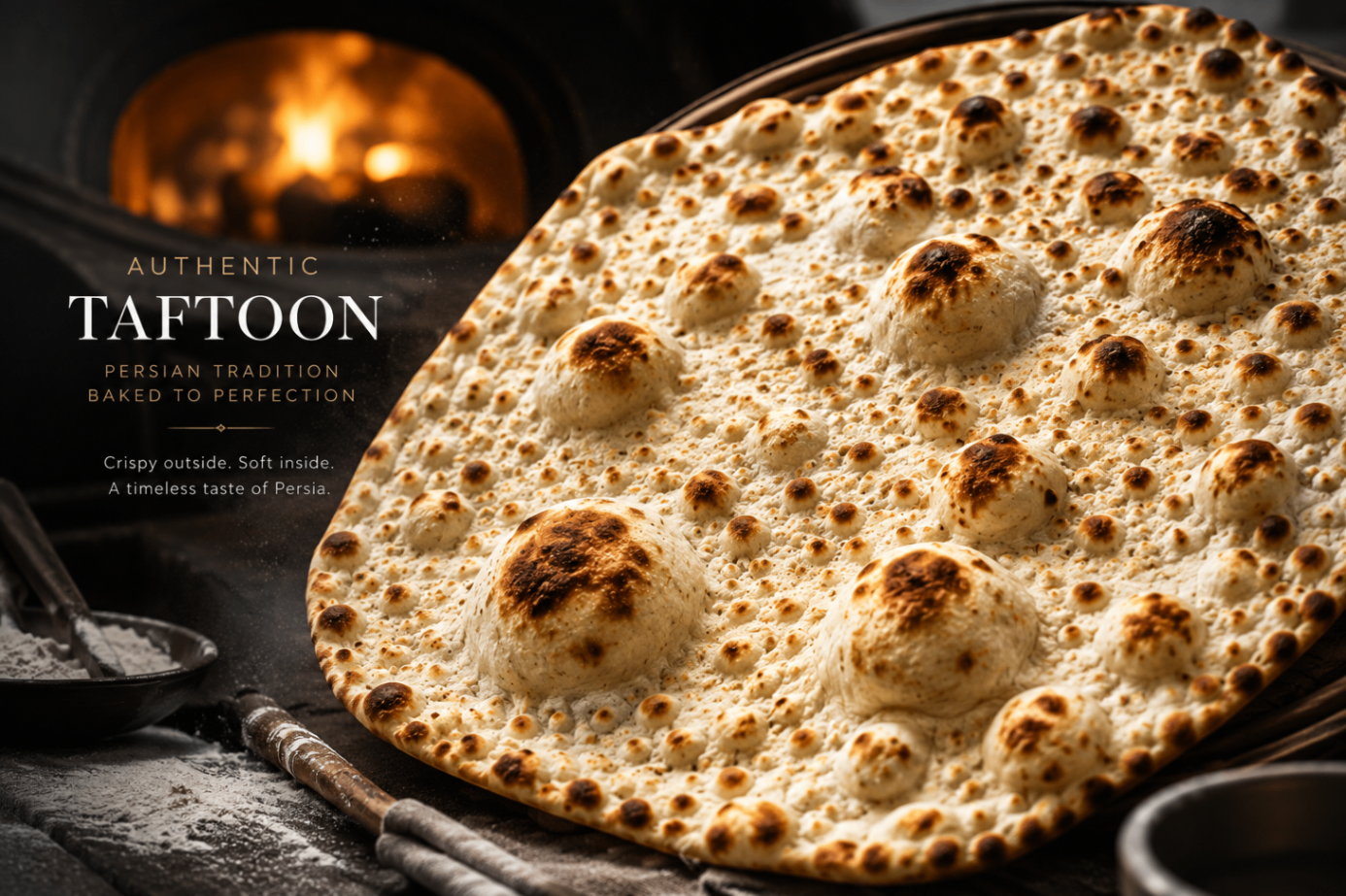
Taftoon.
The Bread That Names Us.
In Persia, no meal begins without bread. Taftoon — thin, blistered, kissed by the walls of a clay tanoor — is torn by hand and passed around the sofreh before anything else. It is not a side. It is the first act of hospitality, the way a Persian table says you are welcome here.
At Taftoon NYC, we still bake it fresh each day, then fold it around what our grandmothers folded it around — grilled chicken, saffron kotlet, sabzi, sibzamini. Simple. Warm. Whole.
Our Taftoon Sandwiches are the closest thing on our menu to a Persian afternoon at home.
Explore Taftoon SandwichesBaked Fresh Daily
From our tanoor to your table
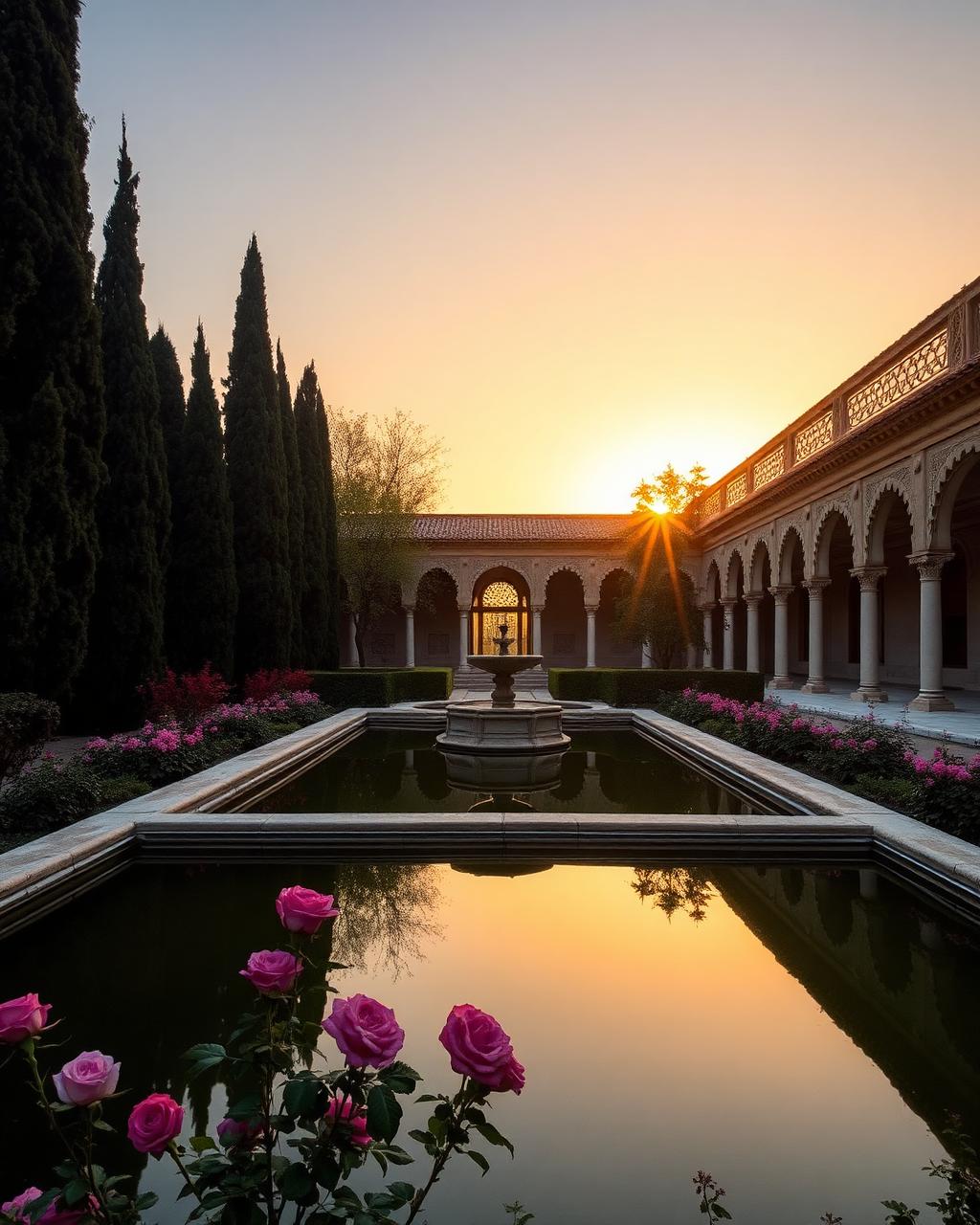
The Land of
Gardens.
Long before paradise was a word in English, it was a word in Persian. Pairidaeza — the walled garden — gave its name to every paradise the Western imagination has reached for since.
Persians did not plant gardens to look at them. They planted them to live inside them: four streams of water meeting at the center of the world, cypress for memory, pomegranate for sweetness, rose for the soul. Eram in Shiraz, Bagh-e Fin in Kashan, Chehel Sotoun in Isfahan — every one a quiet argument that the world should be more beautiful than it has to be.
بهشت آنجاست که آزاری نباشد.At Taftoon
Our dining room is built as a small Persian garden — a courtyard for strangers who have not yet become friends.
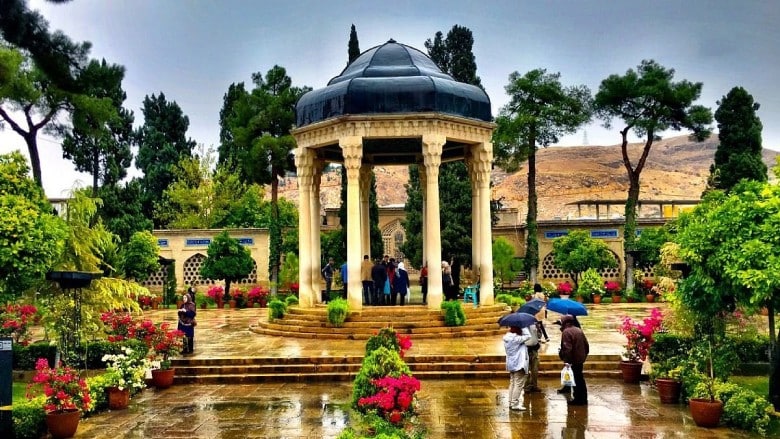
Shiraz · 14th century
Khwāja Shams-ud-Dīn Hāfez
Hafez
The Voice of the Soul.
Six hundred years after his death, more people visit Hafez's tomb in Shiraz than visit any other grave in Iran. They come at dusk, sit on the marble, and read him aloud to one another. Brides come the night before their weddings. Children come before exams. Strangers come to grieve, and leave consoled.
In nearly every Iranian home, a single volume of his Divan rests beside the Qur'an. When a question is too heavy to ask aloud, the book is opened at random — Fāl-e Hafez, the augury of Hafez. Whatever line your finger lands on is taken as his answer.
Fāl-e Hafez · Ask the master
حتی پس از این همه زمان، خورشید هرگز به زمین نمیگوید: تو به من بدهکاری.
“Even after all this time, the Sun never says to the Earth, ‘You owe me.’”
Saadi
The Poet of Humanity.
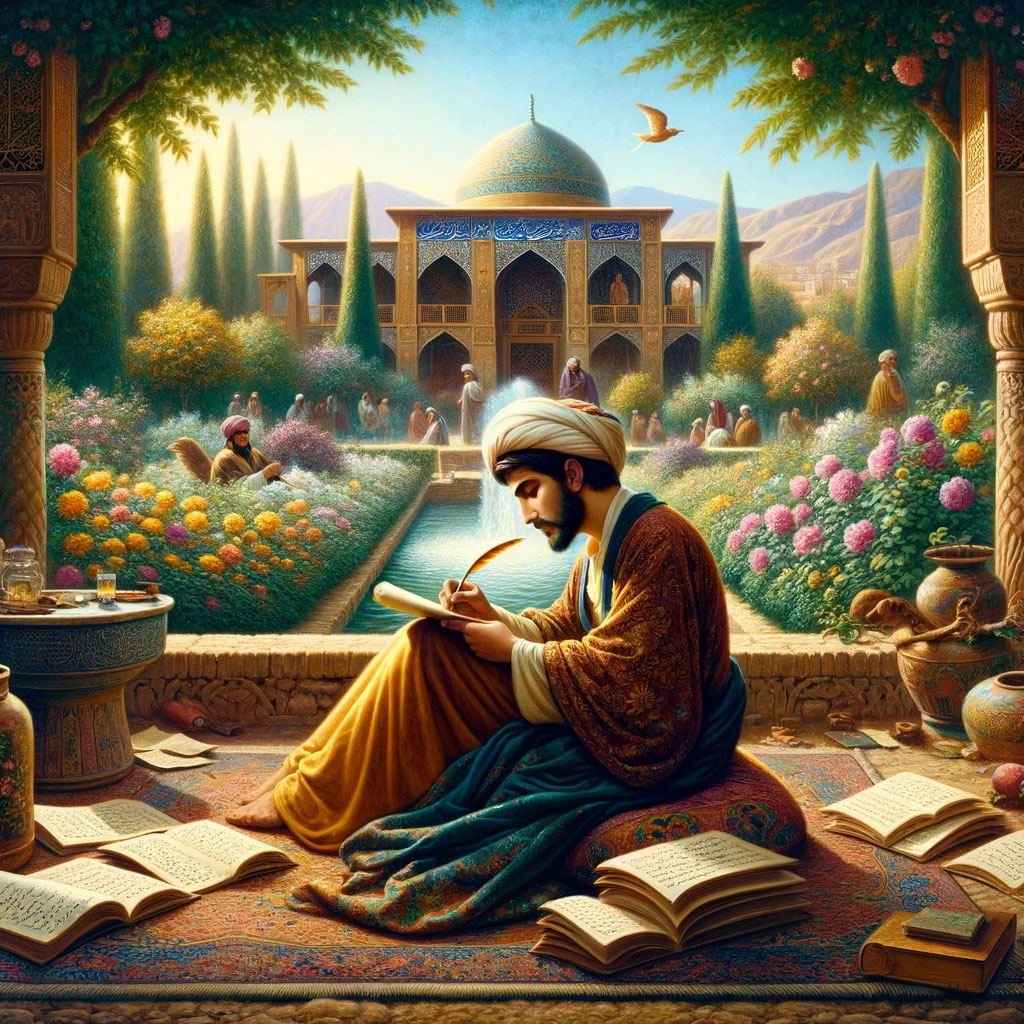
A century before Hafez walked the same rose-lined paths, Saadi was already writing the books Persians have measured wisdom against ever since — the Golestan(The Rose Garden) and the Bustan (The Orchard). He wandered for thirty years through Damascus, Baghdad, Mecca and India before returning home to Shiraz to put down everything he had learned about being a human being.
One sentence of his is carved at the entrance of the United Nations in New York. It is the line Iranians teach their children first.
Bani-Adam — the famous quatrain
بنیآدم اعضای یکدیگرند،
که در آفرینش ز یک گوهرند.
“Human beings are members of one body, in creation of one essence and soul.”
Shiraz · 13th century
Sheikh Muslih-ud-Dīn Saadi
Shiraz.
The city of poetry. The city of gardens. The city of beauty.
01
City of Poetry
Hafez. Saadi. Khaju. For a thousand years, Shiraz has been where the Persian language goes to fall in love with itself.
02
City of Gardens
Eram, Afifabad, Delgosha, Jahan-Nama — nine gardens on UNESCO's list, each one a small attempt at paradise.
03
City of Beauty
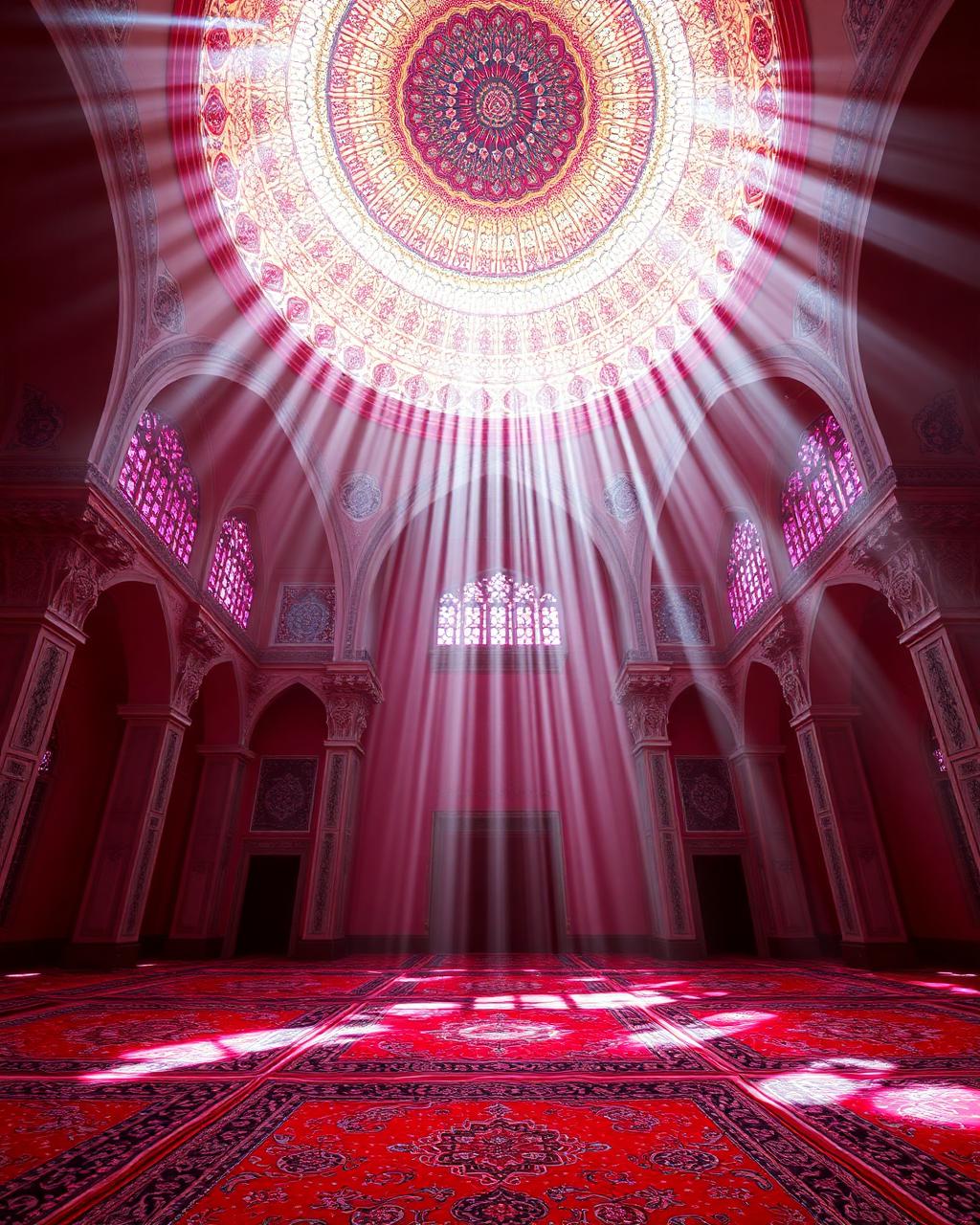
Nasir al-Molk's pink stained glass at dawn. Vakil Bazaar at dusk. The whole city pitched a half-tone softer than anywhere else.
A Civilization
Made of Pattern.
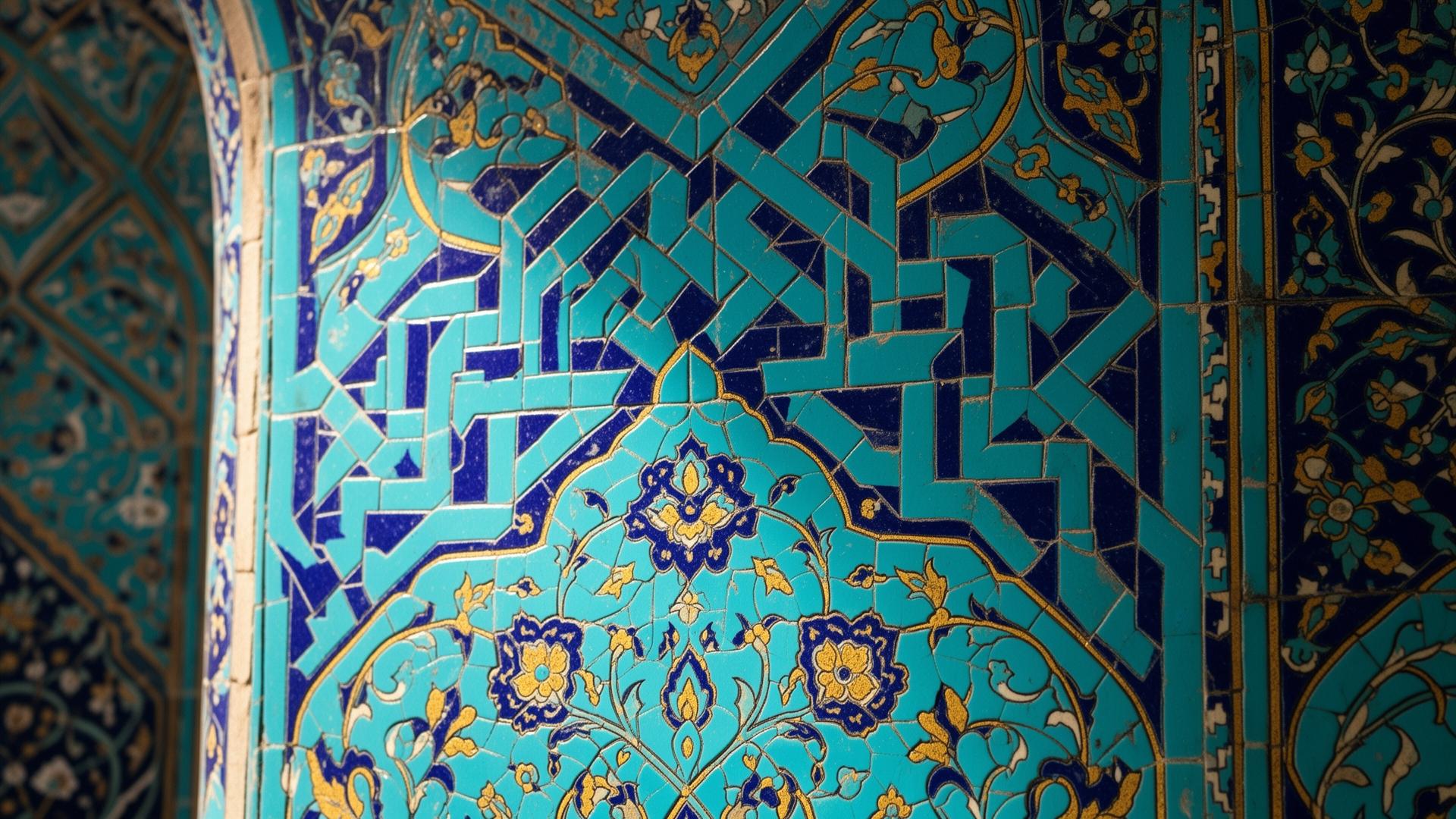
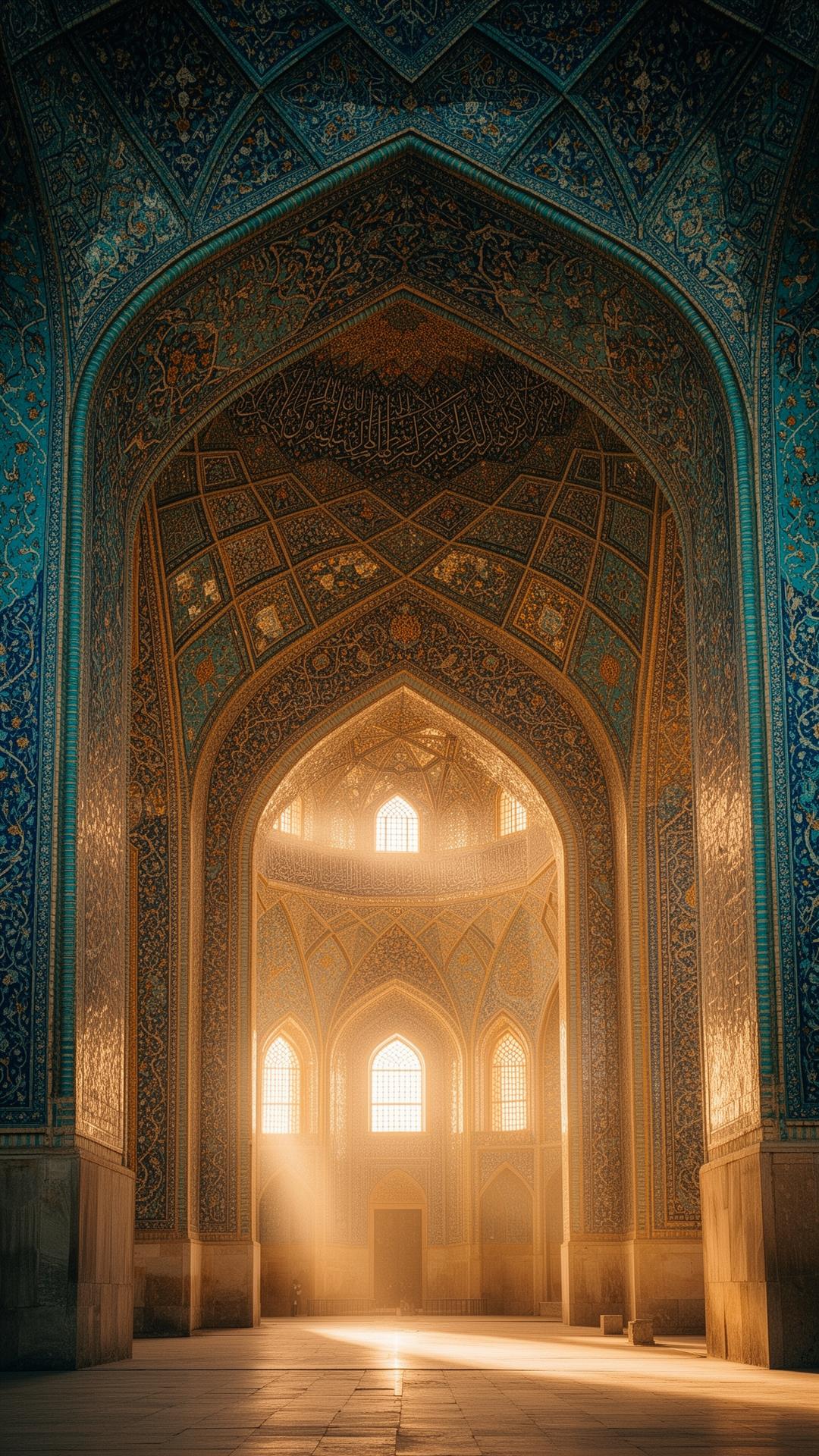
Persian artists did not decorate buildings. They thought through them. Every tile in an Isfahan dome is a piece of geometry, every arabesque a small argument that the universe is woven from one thread.
Calligraphy that flowers into vines. Vines that flower into calligraphy. Miniatures the size of a palm that hold whole gardens inside them. Carpets read like maps of paradise. Tilework cut by hand, one piece at a time, until the wall itself becomes prayer.
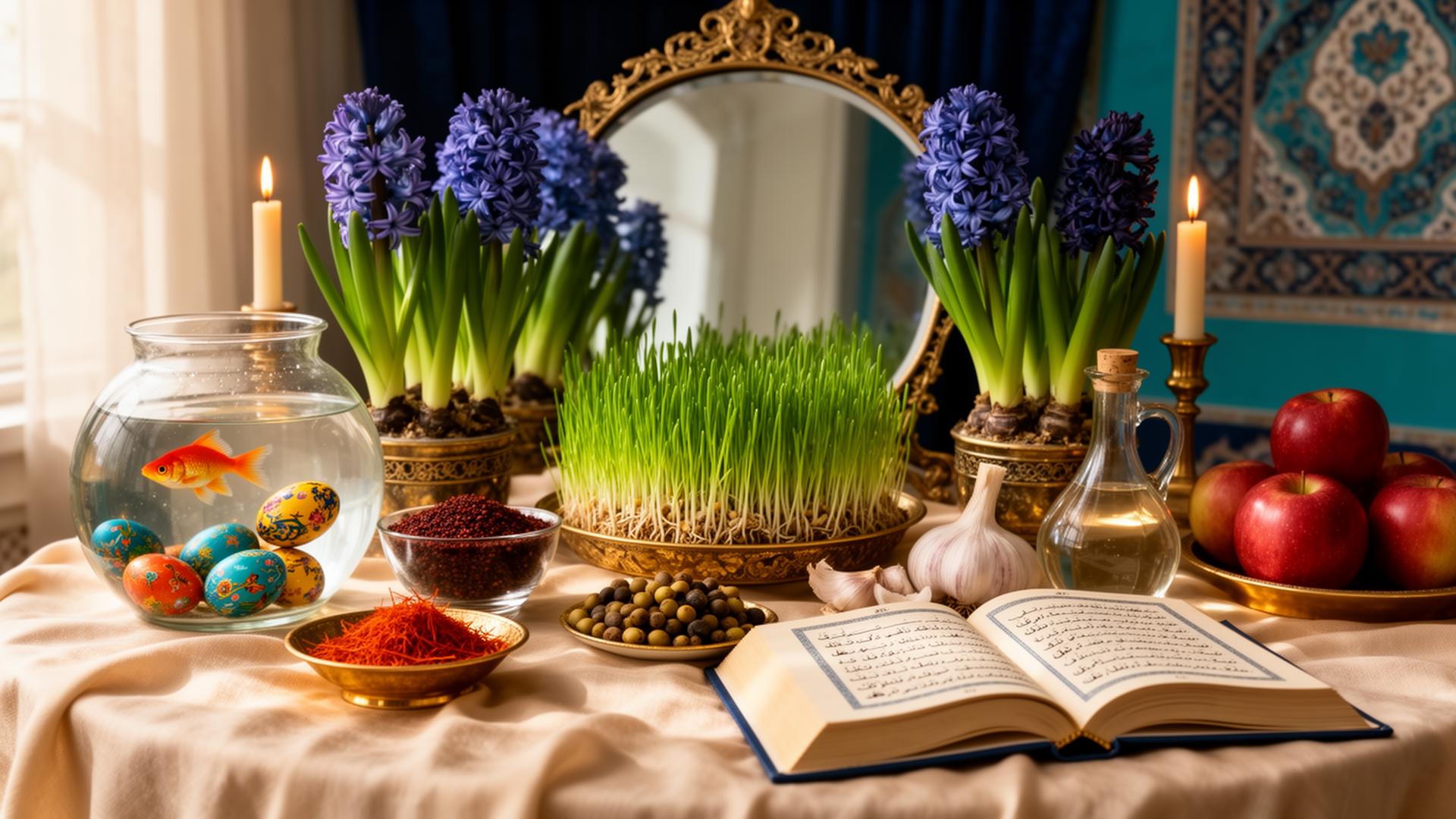
The Haft-Seen — seven symbols of renewal
Nowruz.
A New Day.
For more than three thousand years, Persians have welcomed the first morning of spring with a celebration called Nowruz — the new day. Hyacinth on every table, goldfish in a small bowl of water, painted eggs, candles lit at dusk, sabzeh sprouted from wheat or lentil to say: life, again.
Long before modern calendars, Persians watched the sky and marked the precise moment when day and night stood in perfect balance. That moment became the year's beginning. More than three hundred million people still keep it — from Tehran and Tabriz to Istanbul, Dushanbe, and New York.
Nowruz is not a holiday. It is a celebration of renewal, of family, of hospitality — of gathering around a table and sharing a meal.
Nowruz at Taftoon
Welcome the New Year at our table.
Each spring we set the Haft-Seen, light candles at dusk, and gather for a feast of saffron, herbs, and live music. RSVP below — our team will follow up to confirm your evening with the menu and seating details.
Dates
- Nowruz Eve
Friday, March 19, 2027 · 6 – 11pm - Nowruz Day
Saturday, March 20, 2027 · 4 – 11pm - Sizdah Bedar
Sunday, April 4, 2027 · 4 – 9pm - Private gatherings welcomed all season.
Seating
- Intimate two-tops along the tiled wall
- Family-style tables for 4 – 8
- The Courtyard banquette for 10 – 14
- Private dining room for full buyouts
- Children and elders are always welcomed warmly.
The Evening
- Haft-Seen welcome at the door
- Chef's tasting menu of seasonal Persian dishes
- Sabzi polo, kuku sabzi, mahi, sumac, saffron
- Live Persian setar & tar at dusk
- A small gift of sabzeh for every guest
Mehmān-navāzi.
The art of receiving a guest as a gift.
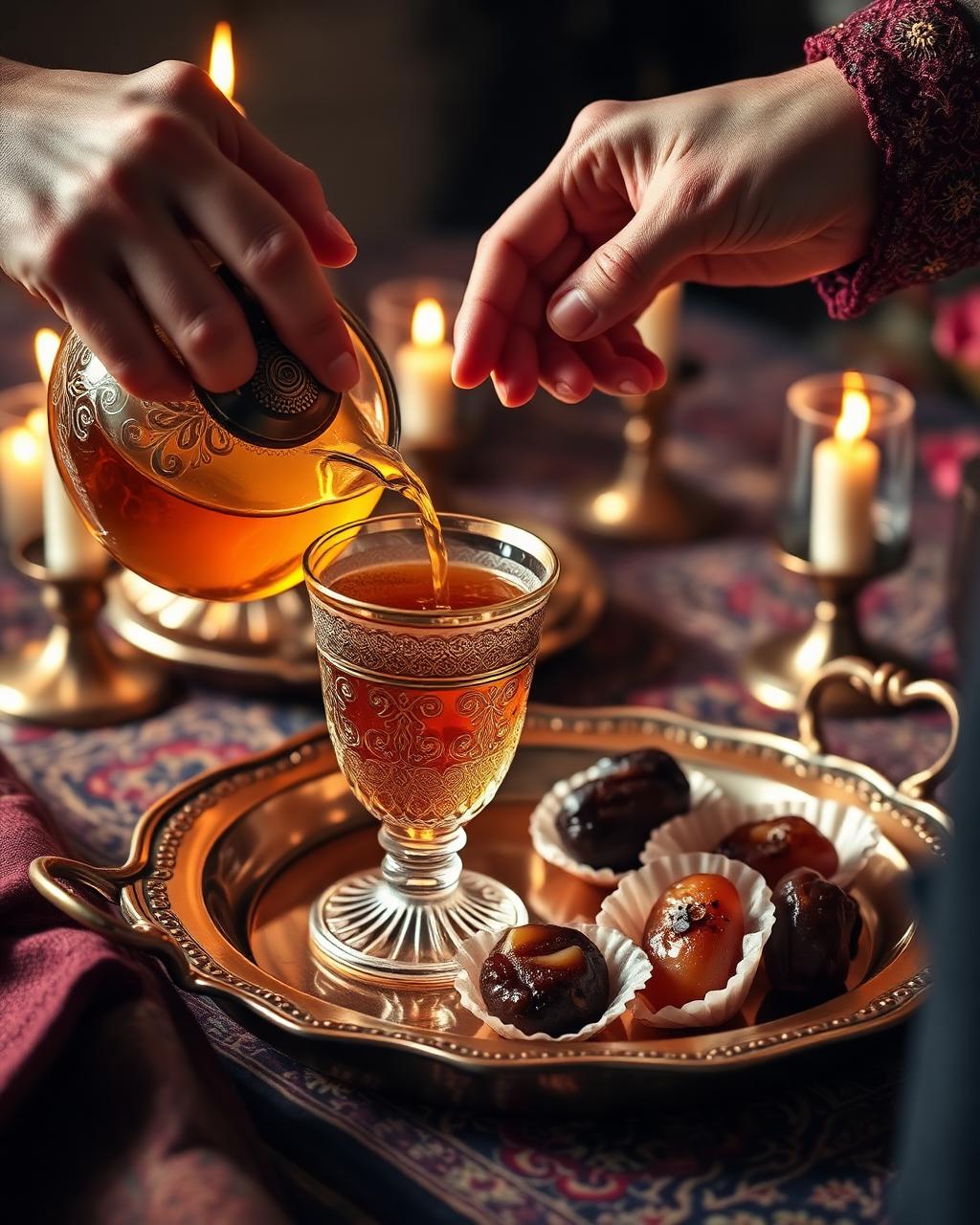
For thousands of years, Persians have welcomed strangers with tea poured before it's asked for, the best piece set aside for the visitor, a table laid before anyone has even arrived. The gesture has never changed. From the gardens of Shiraz to the kitchens of grandmothers in Tehran, it is the oldest standard of fine dining the world has kept.
At Taftoon, that tradition continues — in Manhattan, at our table, for you.
A Cultural Moment
Sound of Persia
A soundscape of memory, poetry, and Persian hospitality.
If background ambience is playing, please pause it before watching.